Creating a relaxing home office environment is essential for maintaining focus, reducing stress, and improving overall well-being when working from home. Whether you have a dedicated room or a small corner in your living space, taking the time to design a comfortable and peaceful workspace can make a big difference in your daily routine.
In this post, we’ll explore practical tips to help you set up a relaxing home office that supports both productivity and relaxation.
Choose the Right Location
Your home office’s location plays a significant role in how relaxing and functional it will be.
– Find a quiet spot: Choose a space away from household noise and distractions.
– Natural light: Position your desk near a window to enjoy natural sunlight, which can improve mood and energy.
– Ventilation: Good airflow contributes to comfort and alertness, so pick a well-ventilated area.
If space is limited, even a cozy corner can be transformed into a calm working area.
Invest in Comfortable Furniture
Comfort is key in preventing fatigue and improving concentration.
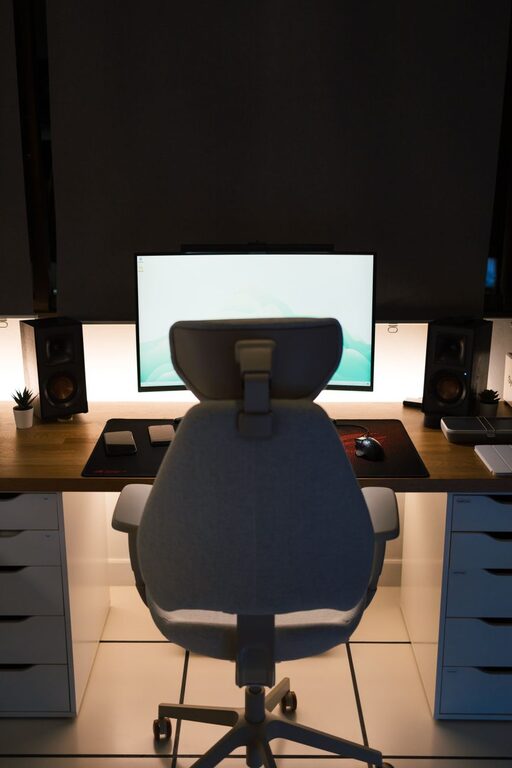
– Ergonomic chair: Select a chair that supports your posture and provides adjustable features for height, backrest, and armrests.
– Desk height: Ensure your desk is at the right height to keep your wrists and arms comfortable while typing.
– Footrest: Consider a footrest if your feet don’t comfortably touch the floor.
Comfortable furniture not only helps your body but also sets the tone for a relaxed workspace.
Keep the Space Organized
A clutter-free environment reduces stress and improves focus.
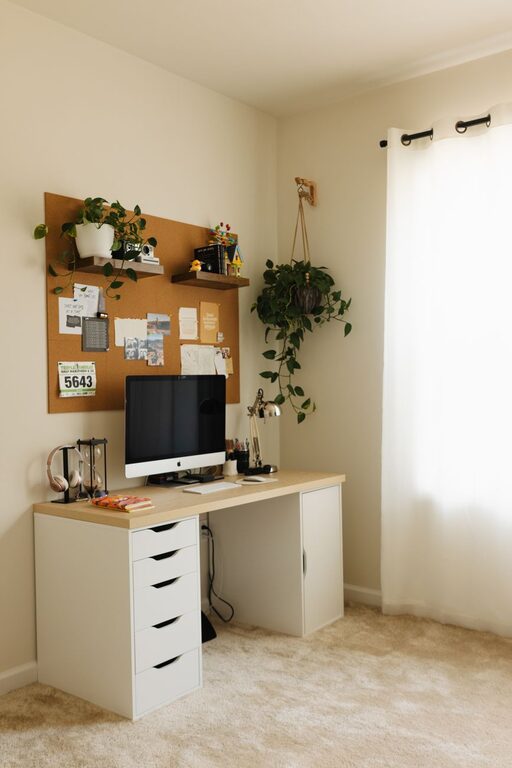
– Use storage solutions: Shelves, drawers, and bins help keep essential items within reach but out of sight.
– Cable management: Use clips or cable organizers to keep wires tidy and avoid a messy look.
– Minimal décor: Limit your desk decorations to a few meaningful or soothing items to avoid distractions.
Regularly tidying your space can make returning to work feel refreshing.
Incorporate Calming Colors
Colors impact mood and productivity more than you might realize.
– Soft blues and greens: These colors promote calmness and focus.
– Neutral tones: Shades like beige, taupe, and off-white create a peaceful background.
– Avoid bright, intense colors: Limit reds or bright yellows that can increase anxiety.
Consider repainting your office or adding accents like cushions, rugs, or artwork in these soothing colors.
Bring Nature Indoors
Plants and natural elements contribute to a calming atmosphere.
– Add houseplants: Easy-care plants like snake plants, pothos, or succulents purify the air and add greenery.
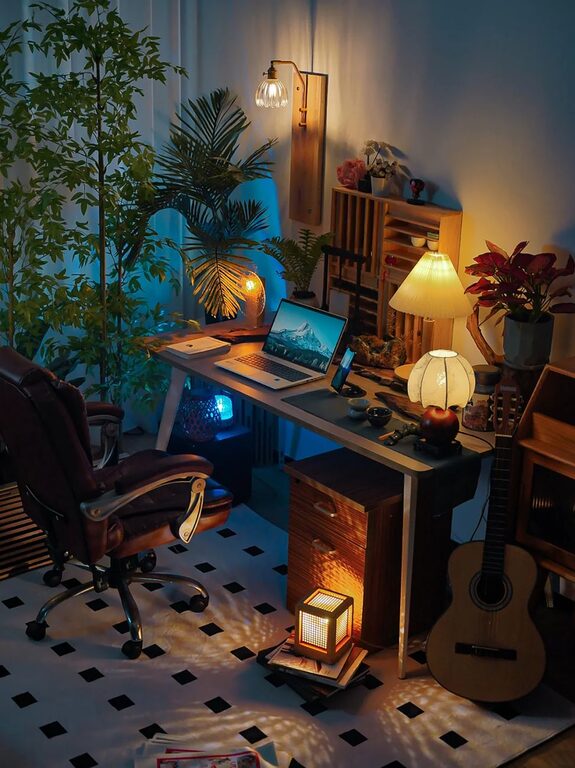
– Natural materials: Use wood, wicker, or stone accessories to create a warm, grounded feeling.
– Views of nature: If possible, situate your desk where you can enjoy outdoor views.
Nature-inspired elements help reduce stress and improve concentration.
Manage Lighting Wisely
Proper lighting reduces eye strain and enhances comfort.
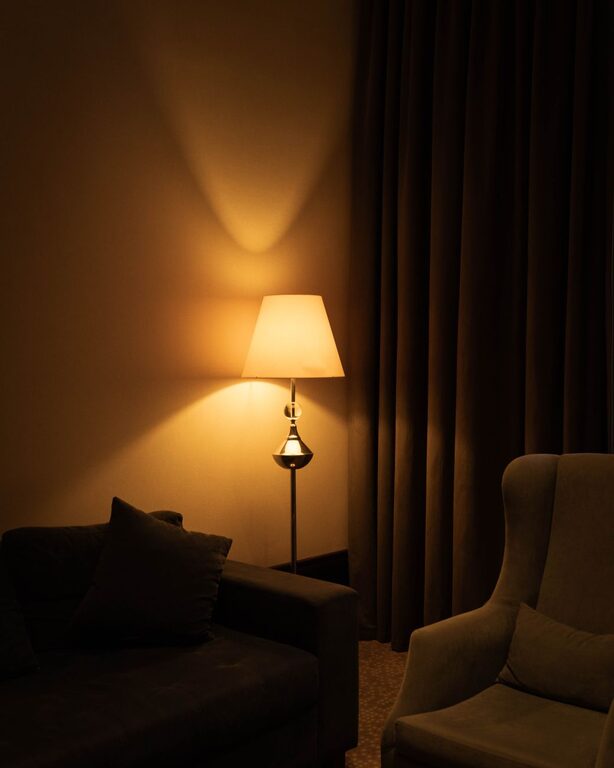
– Layered lighting: Combine natural light with overhead and task lighting for flexibility.
– Adjustable desk lamp: Use a lamp with adjustable brightness and direction for focused work.
– Avoid glare: Position screens to minimize reflections and keep light sources out of your direct line of sight.
Good lighting supports longer work periods without discomfort.
Add Personal Touches
Personalizing your space makes it more inviting and motivating.
– Photos and artwork: Display images that bring you joy or inspire creativity.
– Comfort items: A cozy blanket, soft cushions, or a favorite mug can add comfort.
– Inspiring quotes: Place positive affirmations or motivational quotes where you can see them.
Just a few personal elements help make your office feel uniquely yours.
Create a Routine and Boundaries
A relaxing environment also depends on your habits.
– Set work hours: Establish clear start and finish times to separate work and relaxation.
– Break areas: Designate a space nearby for short breaks to rest your eyes and stretch.
– Limit distractions: Use headphones or “do not disturb” signs when focus is needed.
Maintaining routines and boundaries helps preserve the calm and productivity of your workspace.
Incorporate Relaxation Tools
Sometimes, a small indulgence can help you stay centered throughout the day.
– Diffusers or candles: Use calming scents like lavender or eucalyptus to create a soothing atmosphere.
– Stress-relief items: Keep items like stress balls, fidget toys, or a small journal handy.
– Background sounds: Soft music, white noise, or nature sounds can enhance concentration and relaxation.
Balancing work with moments of relaxation keeps your mind fresh.
—
Final Thoughts
Creating a relaxing home office environment is about combining comfort, organization, and personal style to support your work and well-being. By paying attention to your space and habits, you can transform your home office into a sanctuary that encourages creativity, productivity, and peace.
Start with small changes and gradually refine your setup until it feels just right for you. Your workdays will thank you!
About the Author